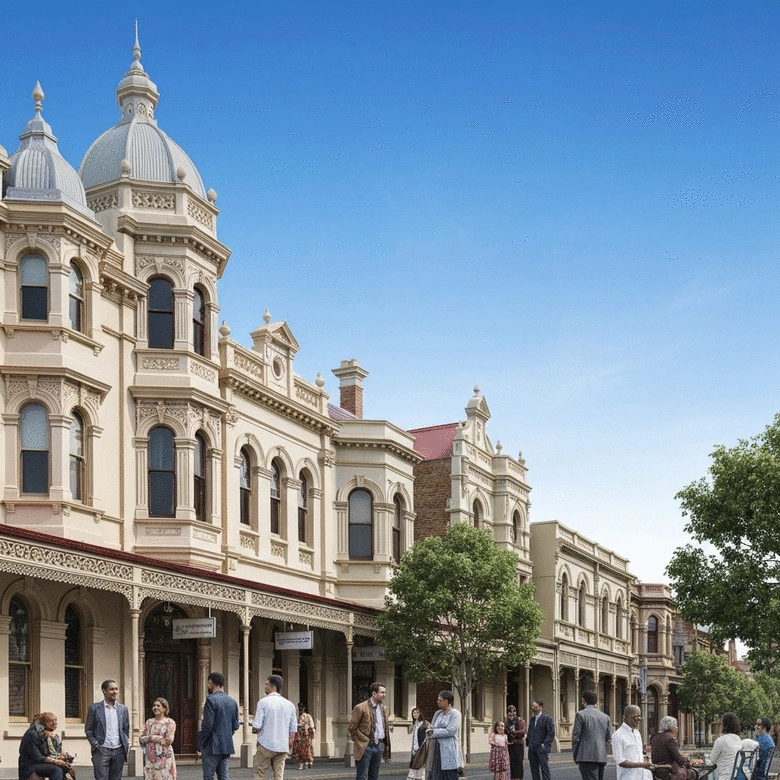
Victorian Foundations
The rich architectural heritage laid the groundwork for Carlton's unique identity.
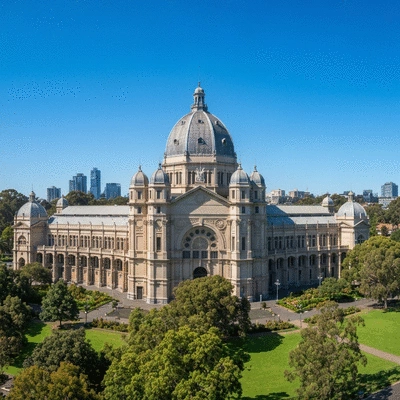
- Key Landmarks: Royal Exhibition Building, Carlton Gardens
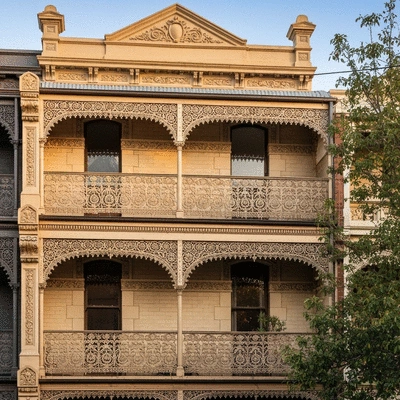
- Influence: Joseph Reed's notable designs, iconic terrace houses
As you stroll through the streets of Carlton, you may find yourself surrounded by a rich tapestry of history and architectural beauty. What stories do the buildings whisper to you about their past? This exploration into Carlton's Victorian heritage reveals not just stunning structures, but the cultural significance they hold in shaping the community.
The following visual outlines the key stages and influences that have shaped Carlton's distinctive identity, from its Victorian origins to its present-day cultural mosaic. For a deeper dive into the area's rich past, explore Carlton, Melbourne: A Historical Journey.
The rich architectural heritage laid the groundwork for Carlton's unique identity.
Post-war immigration introduced vibrant cultures, enriching the suburb's character.
New urban developments reshape the landscape while preserving historical elements.
Local initiatives foster belonging and promote cultural awareness.
Carlton is a treasure trove of architectural heritage, and its Victorian foundations are particularly captivating. As you wander the streets, you can't help but feel the weight of history in the stunning buildings that surround you. This section delves into the key landmarks of the Victorian era, highlighting the exquisite craftsmanship that defines our suburb.
Let’s explore some of the most iconic structures that represent the unique architectural style of Carlton, and how they reflect the cultural narrative of the area.
When discussing Carlton's Victorian architecture, two landmarks always come to mind: the Royal Exhibition Building and Carlton Gardens. Both are essential to understanding not just the suburb's aesthetic, but also its historical significance.
The Royal Exhibition Building is a true architectural marvel, showcasing the grandeur of the Victorian era. As a UNESCO World Heritage site, it was originally constructed for the Melbourne International Exhibition in 1880. Its stunning dome and intricate façade are not just features of beauty; they symbolize Melbourne's ambition and cultural aspirations during that time.
Every year, thousands flock to this historic venue, which hosts various exhibitions and events. Have you ever attended one? The experience feels like stepping back in time while enjoying modern amenities!
Adjacent to the Royal Exhibition Building lies Carlton Gardens, designed to complement the architectural grandeur of the building. The gardens' beautifully manicured lawns and diverse plant life create a serene escape from the bustling streets of Melbourne. They were designed as part of the 1880 International Exhibition and have since become a beloved space for both locals and visitors.
Take a moment to stroll through this lush landscape. The blend of history and nature creates a unique setting where you can reflect on Carlton's rich past.
Joseph Reed is a name synonymous with architecture in Carlton. His designs left an indelible mark on the suburb, shaping its identity for generations to come. Reed's work embodies the creative spirit of the Victorian era, and his influence can still be seen today.
Reed was not just an architect; he was a visionary who understood the cultural context of his time. His notable designs include the iconic Melbourne Town Hall and the National Gallery of Victoria. These structures not only serve functional purposes but also act as cultural landmarks that continue to inspire and educate.
In Carlton, you can spot several buildings that echo Reed's distinct style. His ability to blend practicality with artistry has shaped our suburb's character in ways that still resonate with us today.
No discussion of Carlton's architecture would be complete without mentioning the terrace houses, which are the hallmark of Victorian living. These charming row houses feature ornate facades, intricate ironwork, and wide verandas, reflecting the lifestyle of the era. To discover more about the historical significance of these dwellings and other hidden gems, explore Discover Carlton's Hidden Historical Gems.
As you walk through our streets, take note of these delightful residences. They tell stories of families who have called Carlton home and contribute to the suburb's vibrant community fabric.
The 19th-century architectural styles found in Carlton are not just relics of the past; they are significant markers of our cultural heritage. Understanding these styles helps us appreciate Carlton's identity and the values that shaped it.
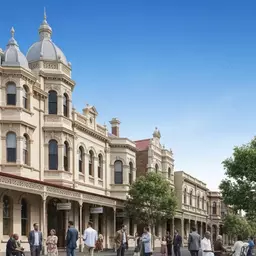
The Victorian and Edwardian architectural styles are characterized by their intricate details, asymmetrical facades, and decorative elements. In Carlton, you'll find many buildings that showcase these features, such as decorative gables, patterned brickwork, and expansive porches.
These styles represent not only aesthetic choices but also the socio-political climate of the time, reflecting the aspirations of a growing Melbourne.
Many of Carlton's buildings are heritage-listed, a testament to their historical importance. This designation not only helps to preserve their architectural integrity but also ensures that future generations can appreciate our suburb's rich history.
As a local guide at Spirit Carlton, I encourage you to explore these buildings and learn about the stories they hold. Public awareness and appreciation are crucial for their preservation!
When exploring Carlton, take a moment to appreciate the intricate details of the Victorian architecture. Look for the unique decorative elements on terrace houses and other buildings. Each design choice tells a story about the era and the people who lived here. Additionally, consider joining guided heritage walks to deepen your understanding of Carlton's architectural significance!
Carlton is not just a neighborhood; it's a cultural mosaic that reflects the rich tapestry of its past. As we summarize key insights from Carlton's architectural journey, we can see how its Victorian heritage seamlessly connects to contemporary culture. The buildings and landmarks tell stories that have shaped the community and continue to influence its identity.
From the elegant facades of Victorian homes to the lively streets filled with diverse cuisines, every corner of Carlton is a reminder of the evolution that has taken place over decades. It's fascinating to see how these historical elements blend with modern influences, creating a unique atmosphere that resonates with both locals and visitors.
As we explore Carlton's architectural journey, several insights stand out:
These insights highlight the importance of understanding our past while embracing the future. The blend of historical and modern influences not only elevates Carlton's aesthetic appeal but also contributes to its vibrant community spirit.
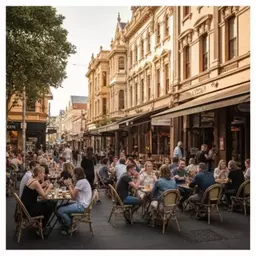
The connection between Carlton's Victorian heritage and contemporary culture is evident in various aspects of daily life. For instance, the preservation of significant landmarks has become a way to celebrate the suburb's history while accommodating the needs of a modern population. Cafés and eateries often inhabit historical buildings, creating a delightful mix of old and new.
As someone deeply passionate about Carlton's culture, I find it inspiring to witness this harmony. The way these architectural styles coexist and tell stories creates an inviting atmosphere that encourages exploration and appreciation. Have you noticed how the old-world charm enhances your dining experience on Lygon Street?
Looking ahead, it's crucial to consider the implications of future development on Carlton's heritage. Balancing growth and preservation ensures that we maintain the character that makes Carlton so special. As new projects arise, it’s essential to integrate them thoughtfully within the existing architectural landscape.
By engaging the community in discussions about development, we can advocate for preserving the elements that define Carlton's identity. It’s about creating spaces that honor our past while catering to the needs of a diverse, modern population.
The economic impact of migration on Carlton has been profound. The influx of various communities has not only enriched the cultural landscape but also stimulated local businesses and contributed to the economy. Here are some key points to consider:
Understanding these dynamics helps us appreciate how migration shapes not only the economy but also the identity of our beloved Carlton.
As a local guide, I encourage you to actively engage with Carlton's rich cultural scene. Each of us plays a vital role in preserving the essence of our community while promoting its growth. Here’s how you can get involved:
Taking the time to visit and explore Carlton allows you to experience its unique charm firsthand. By supporting local businesses and participating in cultural events, you contribute to the preservation of our shared heritage. Don’t forget to take a stroll through the Carlton Gardens or enjoy a meal at one of the many Italian restaurants that define the area! For an authentic culinary experience, check out Italian Eats on Lygon Street.
Supporting local communities is not just about shopping; it's about building connections. Attend cultural festivals, farmer’s markets, and community workshops to foster relationships and learn more about the cultures that enrich Carlton. Your participation makes a difference!
Cultural festivals are wonderful opportunities to celebrate Carlton's diversity. Get involved by volunteering or simply attending! These events are a chance to connect with your neighbors, learn about different cultures, and share in the joy of community togetherness. Every little action contributes to the vibrant cultural mosaic that is Carlton.
Here is a quick recap of the important points discussed in the article:
Luca Bellini is the passionate cultural enthusiast and local expert behind Spirit Carlton. With a profound appreciation for Carlton's rich history, vibrant dining, and artistic flair, Luca is dedicated to crafting insightful content that inspires both locals and visitors to explore the many facets of this unique Melbourne suburb.
Spirit Carlton is your definitive local guide to Carlton, Melbourne. We celebrate the suburb's rich cultural heart, offering comprehensive insights into its history, lifestyle, and vibrant community.
Carlton, Melbourne