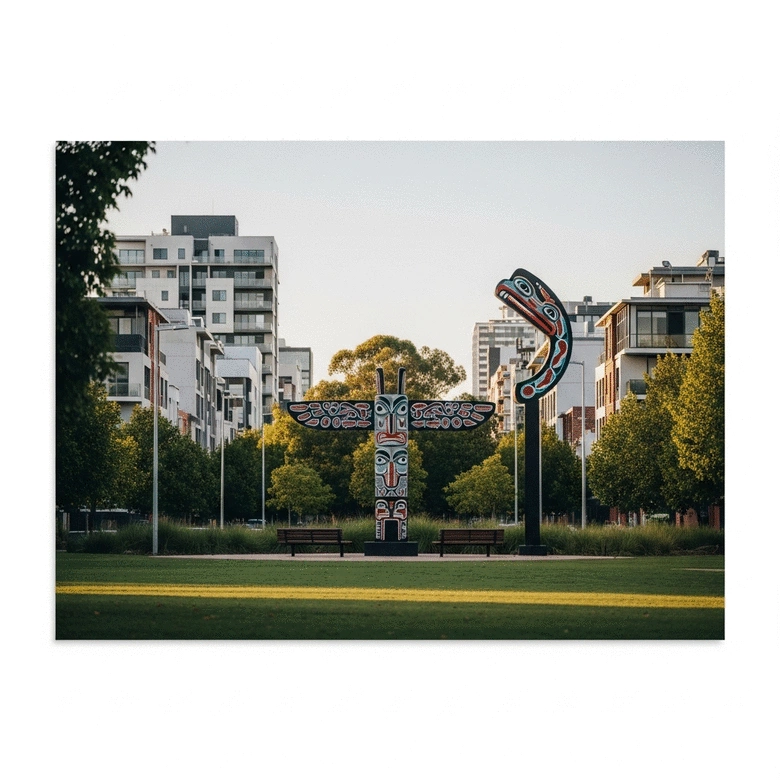
Indigenous Presence
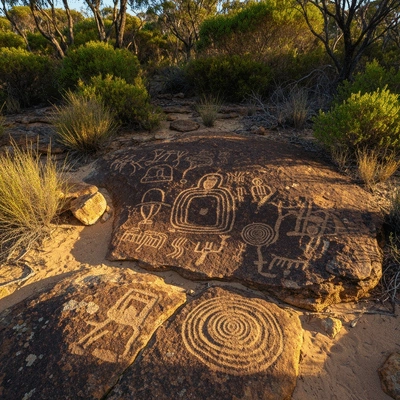
Deep connections of the Wurundjeri people to the land, their oral histories, spiritual practices, and stewardship.
Ancient Foundations
Carlton's vibrant history is more than just a timeline; it's a collection of stories that illustrate the resilience and transformation of its community. As we explore its roots, we uncover lessons that resonate with our own lives and neighborhoods.
This visual illustrates the three key phases defining Carlton's historical evolution and how each has contributed to its unique identity and resilience. To delve deeper into the rich history of Melbourne's suburbs, explore our article on The History of Brunswick, Melbourne, which also traces the transformation of an inner-city area.
Deep connections of the Wurundjeri people to the land, their oral histories, spiritual practices, and stewardship.
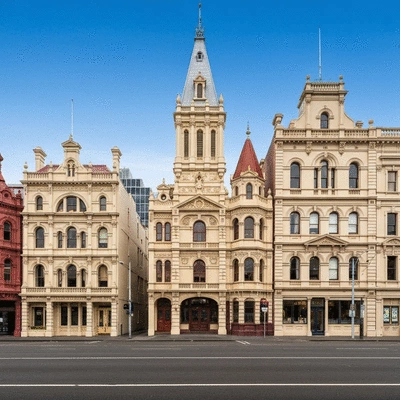
Rapid growth during the Gold Rush era, initial land surveys, emerging communities, and infrastructure development.
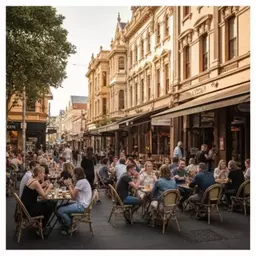
Influx of diverse communities, transforming Carlton into a vibrant cultural hub with rich collective identity.
Carlton, Melbourne, is a suburb brimming with stories, each corner echoing its rich past. To truly appreciate Carlton, we must explore its evolution—from the ancient connections of the Indigenous peoples to the vibrant community we know today. This journey is not just about dates and events; it's about understanding the fabric that weaves together the identity of this remarkable place.
As a local enthusiast, I’ve delved deep into the history of Carlton, uncovering the layers that have shaped our community. What I’ve found is not just a timeline, but a tapestry of cultures, struggles, and triumphs that have defined our suburb.
Before European settlement, the Wurundjeri people were the custodians of the land we now call Carlton. They hold a deep connection to the Kulin Nation, which recognizes the land as sacred. Their stories, songs, and traditions are embedded in the very soil, reminding us of the cultural significance this area has long held.
These connections continue to inspire Carlton's identity today. As we walk through the streets, we’re reminded of the rich heritage that precedes us, allowing us to appreciate the layers of history that define our suburb. To learn more about how Indigenous history influences modern urban planning, read our article on The History of Fitzroy, Melbourne.
The Kulin Nation comprises various clans, and the Wurundjeri are one of them. Their knowledge of the land—its flora, fauna, and seasonal changes—has been passed down through oral traditions for thousands of years. In Carlton, the natural environment still reflects their ancient perspectives, offering a unique lens through which we can understand our surroundings.
As we explore Carlton, let’s not forget to honor the heritage of the Wurundjeri and recognize their enduring legacy in our community. It’s about building a connection that respects the past while embracing the future.
Many stories of the Wurundjeri are tied to specific locations within Carlton. These narratives shape not only the landscape but also our understanding of community. For instance, the significance of local water sources and natural resources reflects their practical and spiritual connection to the environment.
Exploring these aspects of Carlton's history fosters a deeper appreciation for the cultural practices that have survived through adversity. As we recount these tales, we breathe life into our understanding of both the past and the present.
The colonial period marked a dramatic shift in Carlton’s landscape. In the 1850s, the suburb began to take shape as European settlers arrived, drawn by the promise of gold and opportunity. The early days of Carlton were characterized by rapid development as houses sprang up to accommodate the influx of new residents.
As I explore the streets today, I can still sense the energy of those early settlements. The stories of struggle and triumph during this era are integral to understanding who we are as a community.
Two iconic landmarks stand testament to Carlton’s rich history—the Royal Exhibition Building and the Melbourne Museum. These structures are not merely architectural feats; they represent the cultural heartbeat of Carlton.
Visiting these landmarks is like stepping back in time, allowing us to connect with the past while enjoying the modern vibrancy that characterizes Carlton today.
During the Gold Rush, Carlton’s architectural landscape evolved significantly. The influence of various styles can still be seen in the heritage-listed buildings that line the streets, each telling a story of its own. This period of rapid development also saw the rise of distinct architectural styles across Melbourne, a topic further explored in our article on The History of Collingwood, Melbourne.
As I walk past these structures, I am reminded of the stories they could tell—the families who lived within their walls and the cultural shifts that occurred over decades. The preservation of these buildings ensures that we don’t forget the past while shaping our future.
As we delve deeper into Carlton's history, we want to know your thoughts! How do you think the diverse cultural influences have shaped Carlton's identity? Share your insights with us:
Carlton's journey from its Indigenous roots to its current status as a bustling urban center is a fascinating tale that showcases resilience and transformation. As I reflect on this evolution, I can’t help but appreciate how the community has adapted through the years, responding to challenges while celebrating its rich heritage. This suburb, with its layers of history, offers us valuable lessons on the importance of preserving our roots while embracing change.
Looking at Carlton's historical journey reveals how interconnected its communities are. The stories of the Wurundjeri people provide a strong foundation, while the subsequent waves of immigrants have added vibrant dimensions that enrich our cultural tapestry. How does this shape our understanding of community? It teaches us that resilience is not just about survival but also about maintaining connections with our past.
The historical journey of Carlton can be encapsulated in three key phases:
These phases not only highlight the resilience of Carlton’s inhabitants but also illustrate how each group has contributed to the suburb's evolving identity. As we assess this journey, it becomes clear that Carlton is more than just a place; it’s a vibrant community that continues to grow and adapt.
Carlton’s history is a testament to the power of community resilience. Through the various challenges faced – from slum clearance to gentrification – the spirit of collaboration has shone through. Here are some key lessons we can draw from Carlton's past:
Understanding these themes not only helps us appreciate the history of Carlton but also guides us toward a more inclusive future. It empowers us to foster connections with our neighbors and honor the diverse narratives that exist within our community.
The earliest known history of Carlton is deeply rooted in the Indigenous presence of the Wurundjeri people, who were the traditional custodians of the land. Their connection to the Kulin Nation and their oral histories, spiritual practices, and stewardship represent the ancient foundations of the area.
The Gold Rush era in the 1850s significantly impacted Carlton. It led to rapid colonial expansion, with European settlers arriving in large numbers. This period saw initial land surveys, the emergence of new communities, and crucial infrastructure development, transforming Carlton into a bustling hub and shaping its urban landscape.
Two significant historical landmarks in Carlton are the Royal Exhibition Building and the Melbourne Museum. The Royal Exhibition Building is a UNESCO World Heritage site known for its 19th-century architecture, while the Melbourne Museum offers insights into Victoria's natural and cultural history. Both venues host events that reflect Carlton's vibrant community spirit.
Carlton's history teaches us several key lessons about community resilience, including the importance of community advocacy, where residents unite to protect their interests; embracing diversity, which enriches the collective identity; and adapting to change, allowing the community to navigate economic and social shifts to remain vibrant and relevant.
Carlton's historical evolution can be encapsulated in three key phases: Indigenous Presence, highlighting the Wurundjeri people's deep connections to the land; Colonial Expansion, marked by rapid growth during the Gold Rush; and Post-War Immigration, which saw an influx of diverse communities transforming Carlton into a vibrant cultural hub.
Here is a quick recap of the important points discussed in the article:
Luca Bellini is the passionate cultural enthusiast and local expert behind Spirit Carlton. With a profound appreciation for Carlton's rich history, vibrant dining, and artistic flair, Luca is dedicated to crafting insightful content that inspires both locals and visitors to explore the many facets of this unique Melbourne suburb.
Spirit Carlton is your definitive local guide to Carlton, Melbourne. We celebrate the suburb's rich cultural heart, offering comprehensive insights into its history, lifestyle, and vibrant community.
Carlton, Melbourne